Indoor plants are a delightful addition to any living space, offering not only visual appeal but also contributing to improved air quality. However, maintaining healthy indoor plants can be a challenge, particularly when it comes to soil management. Traditional soil can often harbor pests, diseases, and can lead to poor drainage issues. Consequently, many plant enthusiasts and experts are turning to alternative growing mediums that offer better control over plant health and growth conditions. This article explores the top soil alternatives that can help in nurturing healthy indoor plants.
Coco Coir: A Versatile Substitute
Coco coir, derived from the husks of coconuts, is gaining favor as a sustainable and effective alternative to traditional soil. Its key benefits include:
- Excellent water retention capabilities, allowing plants to stay hydrated without the risk of overwatering.
- Good aeration properties, preventing root rot and promoting healthy root systems.
- Eco-friendly and biodegradable, making it a sustainable choice for environmentally conscious gardeners.
Coco coir can be used alone or mixed with other mediums like perlite to enhance its effectiveness.
Perlite: Enhancing Drainage
Perlite is a lightweight, volcanic glass that is widely used to improve the aeration and drainage of growing mediums. It is particularly effective when combined with other soil alternatives for indoor plants. Key advantages of using perlite include:
- Improved soil structure, preventing compaction and ensuring roots have access to air.
- Neutral pH, making it a versatile choice for a wide range of plant species.
- Low nutrient content, which reduces the risk of over-fertilization.
Vermiculite: Moisture Retention Champion
Vermiculite is another mineral-based growing medium that can be used as a soilless potting mix. It is known for its remarkable moisture retention and nutrient holding capacity, making it ideal for plants that require consistent moisture. Benefits of vermiculite include:
- Retaining water and nutrients, making them readily available to plants.
- Improving soil aeration and drainage.
- Neutral pH, suitable for most indoor plants.
Peat Moss: A Classic Choice
Peat moss has been a staple in gardening for its ability to retain moisture and nutrients. Though concerns about sustainability have arisen, peat moss remains a popular choice for indoor potting mix due to its effectiveness. Considerations when using peat moss include:
- High water retention, which is beneficial for plants that prefer moist conditions.
- Acidic pH, suitable for acid-loving plants like azaleas and blueberries.
- Potential environmental concerns, as peat moss is not a renewable resource.
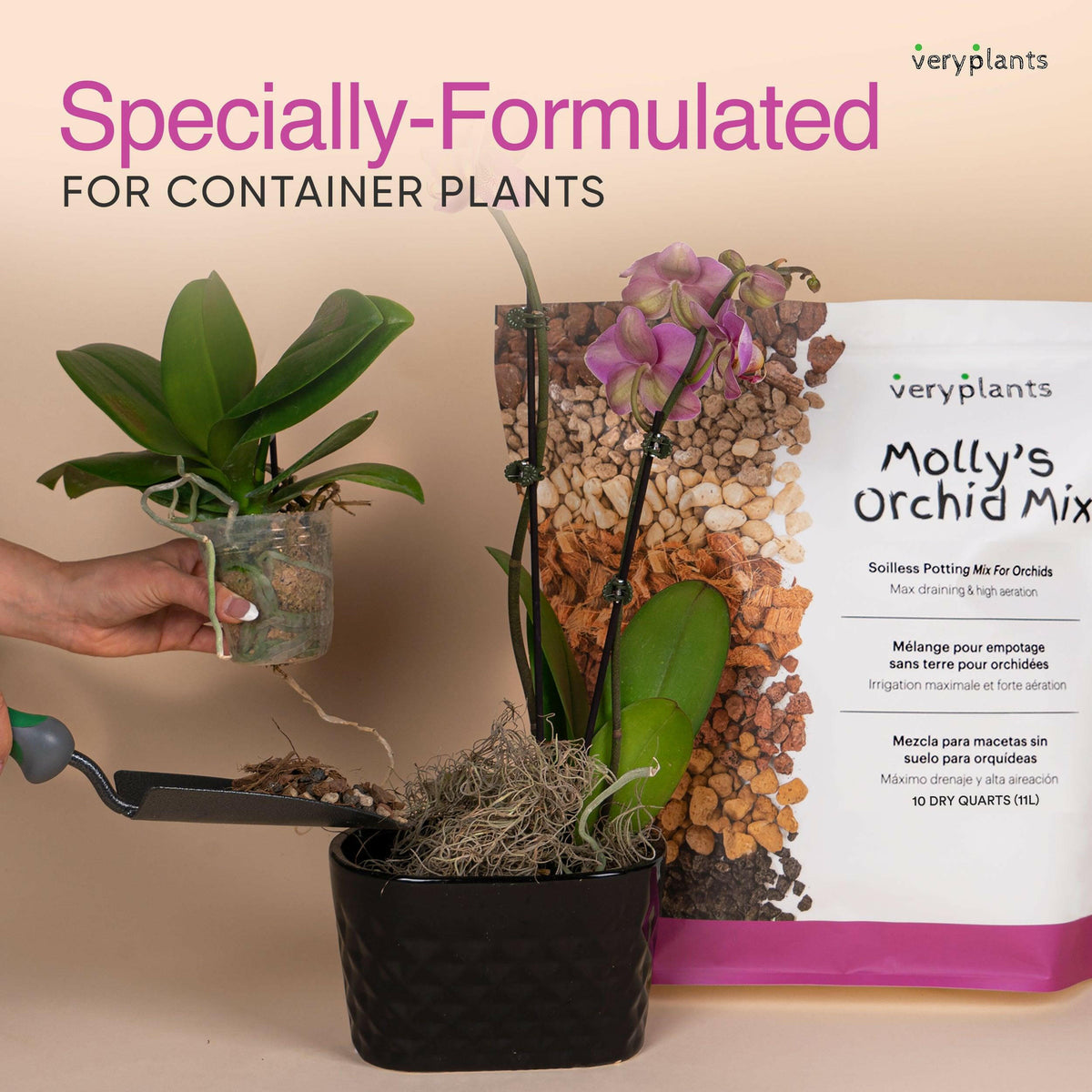
Orchid Bark: Ideal for Epiphytic Plants
Orchid bark is a specialized medium ideal for epiphytic plants like orchids, which require excellent aeration and drainage. It is often included in mixes designed specifically for orchids. Orchid bark’s benefits include:
- Ensuring proper air circulation around the roots, preventing rot.
- Low water retention, which mimics the natural growing conditions of epiphytes.
- Long-lasting, reducing the frequency of repotting.
Conclusion
Choosing the right growing medium is vital for the health and longevity of indoor plants. By exploring alternatives to traditional soil, such as coco coir, perlite, vermiculite, peat moss, and orchid bark, plant enthusiasts can find the perfect match for their indoor garden needs. These soil alternatives for indoor plants provide improved drainage, moisture retention, and nutrient availability, ensuring that indoor plants thrive in their environments.