Achieving peak athletic performance requires more than rigorous training and disciplined nutrition; the right supplements can bridge the gap between effort and results. Scientific research increasingly supports the role of specific nutrients in enhancing strength, endurance, recovery, and overall sport-specific adaptations. This guide outlines evidence-backed supplements, explains how they work, and offers practical tips for integrating them safely into a training regimen.
Why Choose Evidence-Based Sports Supplements?
Not all supplements are created equal. Selecting products that have undergone rigorous testing ensures:
- Consistent potency and purity.
- Reduced risk of contaminants or banned substances.
- Clear dosage guidelines backed by peer-reviewed studies.
When these criteria are met, athletes can trust that the supplement will complement training rather than introduce uncertainty.
Core Supplements for Athletic Performance
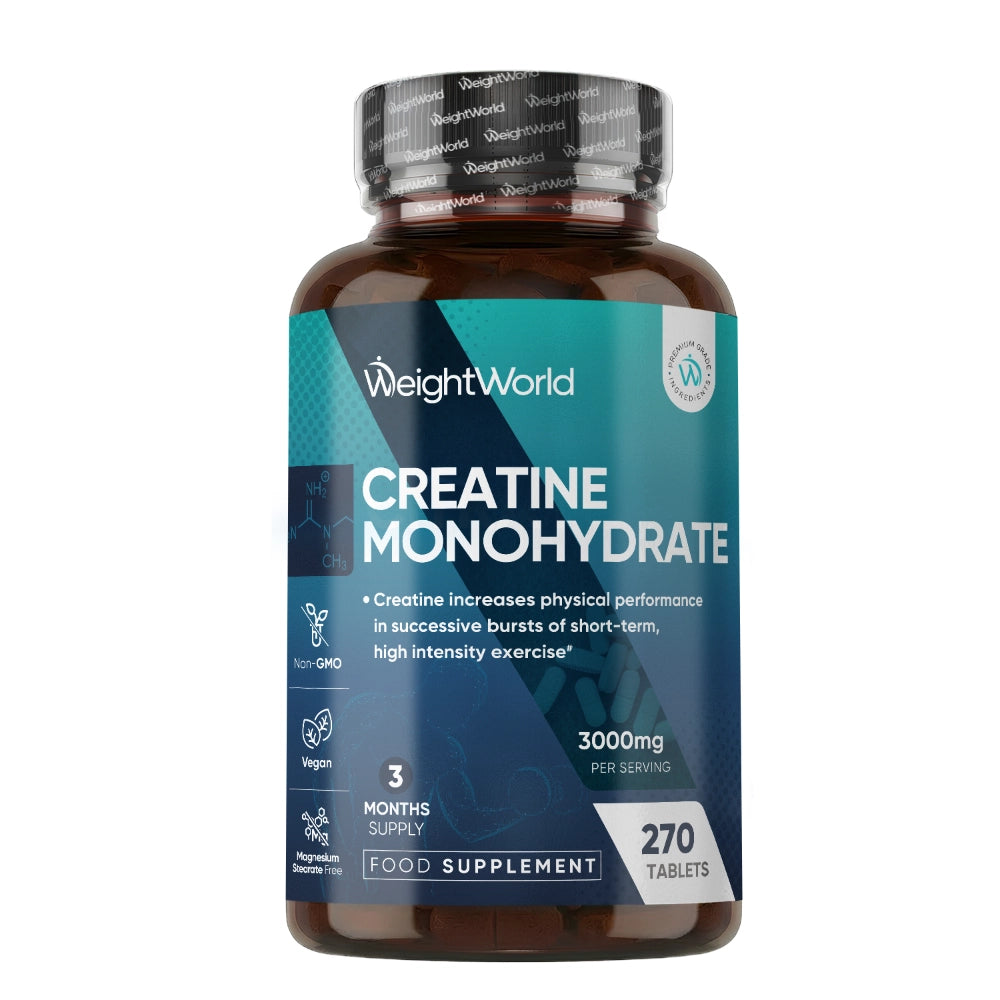
Creatine Monohydrate
Creatine remains the most studied supplement for power-based sports. It increases phosphocreatine stores in muscle, allowing for faster ATP regeneration during high-intensity bursts.
- Typical dose: 3-5″?g per day.
- Benefits: ??? strength, ??? lean mass, faster recovery between sets.
- Best for: Weightlifters, sprinters, football players, and any activity requiring short, explosive efforts.
Beta-Alanine
Beta-alanine buffers hydrogen ions that accumulate during intense exercise, delaying muscular fatigue.
- Typical dose: 2-5″?g per day, split into smaller portions to avoid tingling.
- Benefits: Improved performance in 1-4 minute efforts, such as rowing or high-intensity interval training (HIIT).
- Best for: Middle-distance runners, cyclists, and combat athletes.
Branched-Chain Amino Acids (BCAAs)
BCAAs, leucine, isoleucine, and valine, support muscle protein synthesis and can reduce exercise-induced muscle soreness.
- Typical dose: 5-10″?g before or during workouts.
- Benefits: Enhanced recovery, reduced muscle breakdown.
- Best for: Endurance athletes and those training in a fasted state.
Electrolyte and Hydration Formulas
Maintaining fluid balance is critical for performance, especially in hot environments.
- Key minerals: Sodium, potassium, magnesium, calcium.
- Form: Powders, tablets, or ready-to-drink solutions.
- Best for: Marathoners, triathletes, and team-sport athletes with prolonged activity.
Choosing Quality sports supplements
Quality assurance starts with the manufacturer’s commitment to transparency. Look for:
- Third-party testing (e.g., Informed-Sport, NSF Certified for Sport).
- Clear labeling of active ingredients and dosage.
- Absence of proprietary blends that hide exact amounts.
These factors help guarantee that the product delivers the promised benefits without hidden risks.
Integrating Supplements into a Training Plan
Effective supplementation is about timing, dosage, and consistency.
Pre-Workout Nutrition
- Creatine: Take with a carbohydrate-rich meal to improve uptake.
- Beta-alanine: Split doses throughout the day to maintain steady plasma levels.
- BCAAs: Consume 15-30 minutes before training to supply amino acids during the session.
During Exercise
- Electrolyte drinks: Sip every 15-20 minutes in long-duration events.
- Carbohydrate-electrolyte blends: Provide 30-60″?g of carbs per hour for endurance athletes.
Post-Workout Recovery
- Protein + creatine: 20-30″?g whey protein combined with 3-5″?g creatine supports muscle repair and replenishment of phosphocreatine.
- BCAAs: Optional addition if protein intake is delayed.
- Hydration: Re-hydrate with an electrolyte solution to restore fluid balance.
Safety Considerations and Potential Side Effects
Even well-researched supplements can cause issues if misused.
- Creatine: Generally safe; stay hydrated to avoid gastrointestinal discomfort.
- Beta-alanine: May cause harmless tingling (paresthesia) at high single doses.
- BCAAs: Excessive intake can interfere with tryptophan metabolism; stick to recommended amounts.
- Electrolytes: Overconsumption can lead to imbalances, monitor intake, especially if on medication.
Consult a sports-medicine professional or registered dietitian before beginning any new supplement regimen, particularly for athletes subject to anti-doping regulations.
Putting It All Together: A Sample Daily Protocol
The following schedule demonstrates how to combine the highlighted supplements for a typical training day:
- Morning (breakfast): 3″?g creatine mixed into a smoothie with carbohydrate source.
- Pre-workout (30″?min before): 5″?g beta-alanine split into two 2.5″?g doses, 10″?g BCAAs, and a cup of coffee for focus.
- During workout: Sip an electrolyte-carb drink delivering 30″?g carbs and 300″?mg sodium per hour.
- Post-workout (within 30″?min): 25″?g whey protein + 3″?g creatine, plus a serving of BCAAs if protein is delayed.
- Evening: Light electrolyte water before bed to maintain hydration.
Final Thoughts
Strategically selected and properly dosed supplements can amplify training adaptations, accelerate recovery, and give athletes a measurable edge. By focusing on scientifically validated ingredients, verifying product quality, and aligning supplementation with individual goals and sport demands, athletes can safely enhance performance without compromising health or integrity.