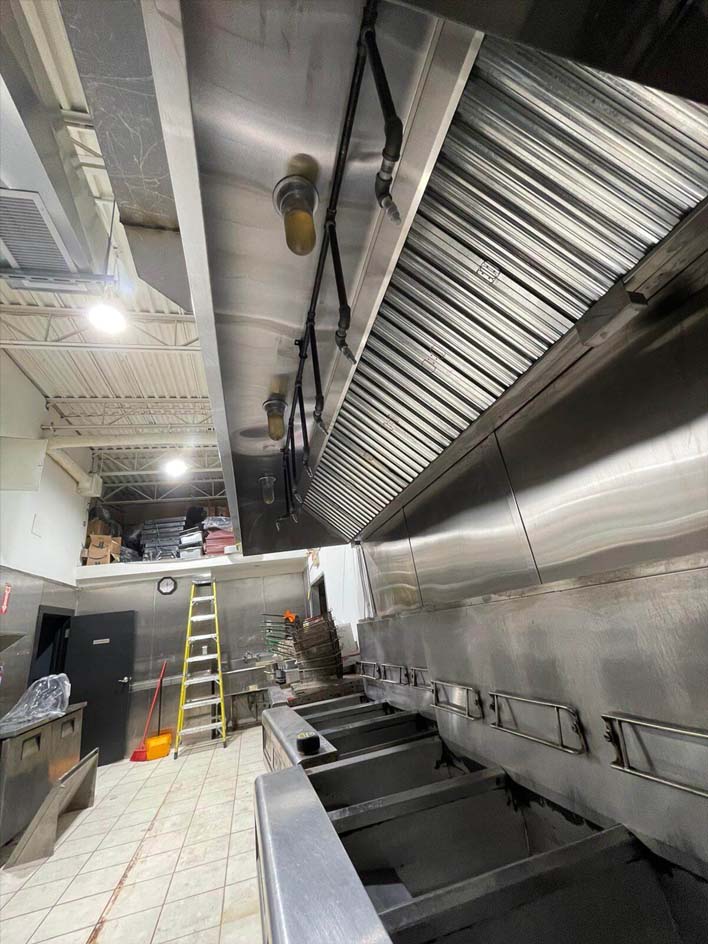
Effective ventilation is the backbone of any commercial kitchen, safeguarding food quality, employee safety, and compliance with health regulations. Choosing the right system involves understanding airflow requirements, energy efficiency, maintenance needs, and local code obligations. This guide breaks down the critical factors to consider, outlines the main types of ventilation solutions, and offers practical tips for evaluating and selecting the most suitable equipment for a professional food-service environment.
Understanding Kitchen Ventilation Fundamentals
Why Proper Ventilation Matters
- Removes heat, smoke, grease, and odors that can affect food taste and staff comfort.
- Prevents accumulation of combustible grease, reducing fire risk.
- Controls humidity and temperature, extending the lifespan of equipment and furnishings.
- Ensures compliance with local health and fire codes, avoiding costly fines.
Key Performance Metrics
- Airflow rate (CFM) – Measured in cubic feet per minute; must match cooking equipment output.
- Static pressure – Determines the fan’s ability to overcome duct resistance.
- Energy consumption – Influences operating costs; look for high-efficiency motors.
- Noise level (dBA) – Impacts staff comfort and overall kitchen ambience.
Types of Commercial Kitchen Ventilation Systems
Exhaust Hoods and Canopies
These capture heat, steam, and grease directly above cooking surfaces. Selection criteria include size, capture velocity, and the ability to integrate with grease filters.
Make-Up Air (MUA) Units
Make-up air replaces the exhausted air, maintaining balanced pressure and preventing infiltration of outside contaminants. When sizing an MUA, consider the total exhaust CFM and the need for heating or cooling.
Dedicated Exhaust Fans
Fans can be inline, centrifugal, or axial, each offering distinct pressure and noise characteristics. Choosing the right fan type aligns with duct length, bends, and required static pressure.
Heat Recovery Systems
These capture waste heat from exhaust air and transfer it to incoming make-up air, improving overall energy efficiency. They are especially valuable in high-volume kitchens where heating costs are significant.
Critical Selection Criteria
- Kitchen Layout – The placement of equipment, ceiling height, and duct routing affect system design.
- Cooking Load – High-heat grills and fryers demand greater CFM and robust grease filtration.
- Local Codes & Standards – Refer to NFPA 96, OSHA, and regional building codes for minimum requirements.
- Energy Efficiency – Look for variable-speed fans, EC motors, and heat-recovery options.
- Maintenance Accessibility – Easy access to filters and fans reduces downtime.
- Noise Control – Acoustic lining or low-noise fan designs improve the working environment.
Evaluating System Components
Grease Filters
Effective filters capture grease before it reaches the fan. Options include baffle, cartridge, and UV-treated filters. Regular cleaning schedules are essential to maintain airflow and prevent fire hazards.
Fans and Motors
- EC (electronically commutated) motors provide precise speed control and lower electricity usage.
- Variable Frequency Drives (VFDs) allow fans to adjust output based on real-time demand.
- Corrosion-resistant housings extend service life in humid kitchen environments.
Ductwork
Properly sized and insulated ductwork minimizes pressure loss and condensation. Smooth interior surfaces and gradual bends reduce turbulence, preserving system efficiency.
Installation and Commissioning Tips
- Engage a qualified HVAC professional familiar with commercial kitchen requirements.
- Perform a thorough airflow test after installation to verify that CFM targets are met.
- Document all settings, filter locations, and maintenance schedules for future reference.
- Train kitchen staff on routine filter cleaning and alarm response procedures.
For a deeper dive into the technical aspects of system testing, Read more about this topic.
Maintenance Best Practices
Routine Cleaning Schedule
- Inspect and clean grease filters weekly in high-use areas.
- Schedule full hood cleaning monthly to comply with fire safety standards.
- Check fan belts, bearings, and motor connections quarterly.
Preventive Monitoring
Install temperature and pressure sensors to alert staff of abnormal conditions. Automated monitoring can reduce the risk of fire and equipment failure.
To explore maintenance strategies tailored to different kitchen sizes, Learn more in this detailed guide.
Cost Considerations and ROI
- Initial Investment – Includes equipment, ductwork, and installation labor.
- Operating Expenses – Energy consumption, filter replacement, and routine service.
- Potential Savings – Energy-efficient fans and heat-recovery can lower utility bills by up to 30%.
- Lifecycle Value – Durable components reduce long-term replacement costs.
For an overview of how energy-saving features impact total cost of ownership, Explore further insights here.
Final Checklist for Buyers
- Confirm CFM requirements based on cooking equipment specifications.
- Verify compliance with NFPA 96 and local building codes.
- Choose fans with EC motors and VFD capability for energy efficiency.
- Select grease filters that match the cooking load and maintenance schedule.
- Plan ductwork layout to minimize bends and ensure proper insulation.
- Establish a regular cleaning and inspection program.
By following this guide, decision-makers can select a ventilation solution that safeguards health, optimizes performance, and delivers long-term value. For additional resources and technical articles, Find additional information here.