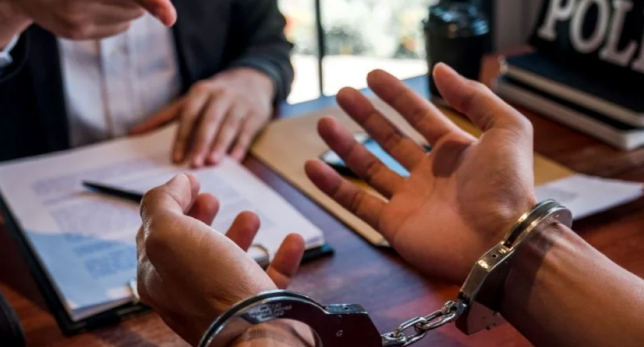
When a criminal charge looms, finding the right attorney quickly can make the difference between a favorable resolution and a prolonged legal battle. The search for a “criminal attorney near me” often begins with a mix of urgency, uncertainty, and the desire for a trusted professional who understands the nuances of criminal law. This guide walks through the essential steps, criteria, and resources needed to locate a qualified criminal defense lawyer in your area, ensuring you are equipped to make an informed decision without delay.
Why Local Expertise Matters
Criminal law varies significantly from one jurisdiction to another. A lawyer who practices regularly in your county or city will be familiar with:
- The specific judges, prosecutors, and court procedures that dominate local cases.
- Regional statutes, sentencing guidelines, and diversion programs.
- Community resources that can support a client’s case, such as rehabilitation services or character witnesses.
These insights can streamline negotiations, reduce trial time, and improve the odds of a favorable outcome.
Key Qualities to Evaluate
Experience in Relevant Charges
Criminal defense spans a broad spectrum, from misdemeanors to complex felonies. Look for attorneys who have handled cases similar to yours, such as:
- Drug offenses
- Violent crimes
- White-collar crimes
- Driving under the influence (DUI) and traffic violations
Specialized experience often translates to a deeper understanding of procedural tactics and case law.
Reputation and Track Record
Peer reviews, client testimonials, and bar association standing provide valuable insight. A lawyer with a consistent record of dismissals, reduced charges, or acquittals demonstrates competence and credibility.
Communication Style
Effective representation requires clear, timely communication. Assess whether the attorney:
- Explains legal concepts in plain language.
- Provides realistic expectations about outcomes.
- Is responsive to calls and emails.
Research Tools and Resources
Utilize a combination of online and offline methods to compile a shortlist of potential attorneys.
Online Directories and Bar Association Listings
State bar websites often feature searchable directories that filter lawyers by practice area and location. These listings confirm licensing status and any disciplinary actions.
Client Review Platforms
Websites such as Avvo, Martindale-Hill, and Google Reviews reveal patterns in client satisfaction, highlighting strengths and potential red flags.
Professional Articles and Guides
Reading authoritative content can help gauge an attorney’s depth of knowledge. For instance, Discover expert strategies here provides insight into effective defense approaches and the latest legal developments.
Questions to Ask During the Initial Consultation
A thorough consultation should address both strategic and logistical concerns. Consider asking:
- What is your experience with cases like mine?
- How do you approach negotiations versus trial?
- What are your fees and billing structure?
- Can you provide references from former clients?
- What is your availability throughout the case timeline?
Taking notes during this conversation ensures you can compare answers across multiple candidates.
Evaluating Fees and Payment Options
Criminal defense costs can vary widely based on case complexity, attorney reputation, and geographic market. Common fee structures include:
- Flat fees for straightforward misdemeanors.
- Hourly rates for complex felonies or cases requiring extensive investigation.
- Retainer agreements that secure the attorney’s commitment.
Some firms may offer flexible payment plans, especially when financial hardship is a factor. Understanding the financial arrangement early prevents surprises later.
Making the Final Decision
After narrowing your list, weigh each candidate against the criteria outlined above. Prioritize attorneys who combine local courtroom familiarity, relevant case experience, strong communication, and transparent fee structures. Trust your instinct, confidence in your lawyer’s ability to advocate zealously is essential.
Additional Resources for Ongoing Support
Beyond the attorney-client relationship, consider supplemental resources that can aid your defense:
- Legal aid organizations for low-income individuals.
- Community groups offering counseling or substance-abuse treatment.
- Online guides that break down procedural steps; Learn about our tailored solutions for detailed explanations.
Conclusion
Finding the best criminal attorney near you is a strategic process that blends research, personal interaction, and careful evaluation of expertise. By focusing on local knowledge, proven experience, and clear communication, you can secure a defender who not only understands the law but also the courtroom dynamics that influence your case. Remember, the right attorney is an ally who will navigate the complexities of criminal law while safeguarding your rights and future.
For deeper insight into criminal defense tactics and to explore further guidance, consider visiting the following resources: Explore advanced guides and tips, Find out more about this approach. These links provide comprehensive information that can complement your attorney search and help you make an empowered decision.