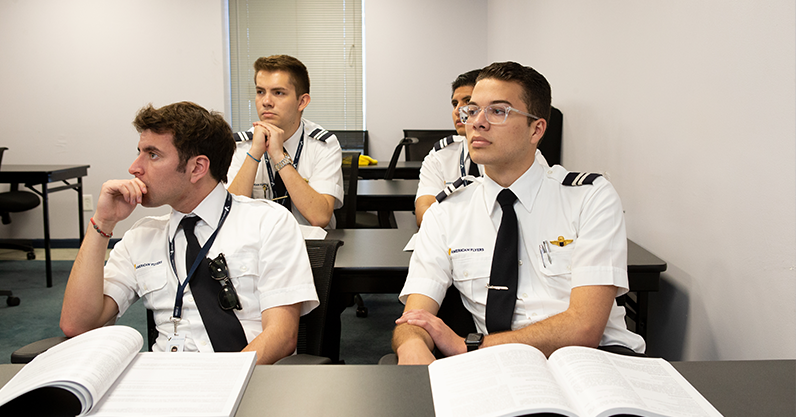
For aspiring commercial pilots, the path to obtaining a license can be long and arduous. However, with the right guidance and training, it’s entirely possible to accelerate the process and achieve certification in a shorter timeframe. This article will delve into the various commercial pilot classes and course options available, providing insight into the most effective methods for fast-track certification.
Introduction to Commercial Pilot Training
Commercial pilot training is a highly specialized field, requiring a deep understanding of aviation principles, regulations, and best practices. To navigate this complex landscape, aspiring pilots must choose a reputable training program that offers comprehensive instruction and personalized support. The Commercial Pilot Classes offered by leading training centers are designed to equip students with the skills and knowledge necessary to succeed in this demanding profession.
Understanding the FAA Requirements
Before embarking on a commercial pilot training program, it’s essential to understand the Federal Aviation Administration’s (FAA) requirements for certification. The FAA sets strict guidelines for training programs, ensuring that students receive adequate instruction and meet the necessary standards for licensure. To meet these requirements, aspiring pilots must complete a minimum of 250 hours of flight training, including both ground school and flight simulator instruction.
- Private Pilot License (PPL)
- Instrument Rating (IR)
- Commercial Pilot License (CPL)
- Multi-Engine Rating
These ratings are critical components of commercial pilot training, and students must demonstrate proficiency in each area before advancing to the next level. To facilitate this process, leading training centers offer a range of courses and programs tailored to meet the needs of individual students.
Fast-Track Certification Options
For those seeking to accelerate their certification process, there are several fast-track options available. These programs typically involve intensive training schedules, personalized instruction, and access to advanced facilities and equipment. By leveraging these resources, aspiring pilots can complete their training in a significantly shorter timeframe than traditional programs.
One of the key benefits of fast-track certification is the ability to gain hands-on experience in a real-world setting. This approach allows students to apply theoretical knowledge in a practical context, honing their skills and building confidence in the cockpit. To learn more about this approach, visit the Commercial Pilot Classes page, where expert strategies and tailored solutions are outlined in detail.
Personalized Instruction and Support
Effective commercial pilot training requires a personalized approach, taking into account the unique needs and goals of each student. Leading training centers offer one-on-one instruction, providing students with the attention and support necessary to succeed in this demanding profession. By working closely with experienced instructors, aspiring pilots can identify areas for improvement and develop a customized training plan to meet their specific needs.
For those seeking to optimize their training experience, it’s essential to choose a reputable training center with a proven track record of success. By selecting a center that offers expert instruction, advanced facilities, and personalized support, aspiring pilots can set themselves up for long-term success in the aviation industry.
Conclusion
Commercial pilot training is a complex and demanding process, requiring a deep understanding of aviation principles and best practices. By choosing a reputable training program and leveraging fast-track certification options, aspiring pilots can accelerate their certification process and achieve licensure in a shorter timeframe. With the right guidance and support, anyone can succeed in this rewarding profession, and it’s never too early to start exploring the various course options available.