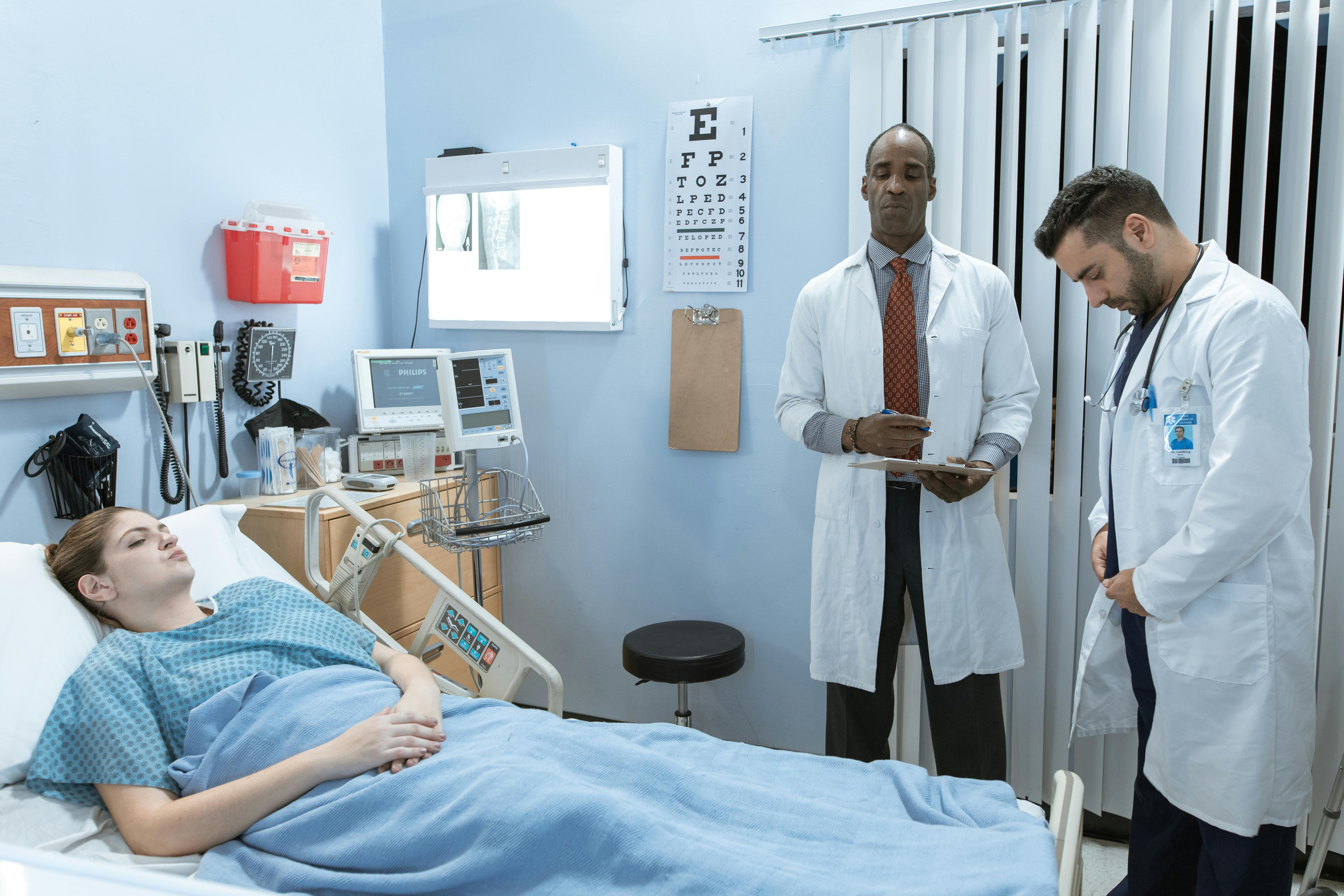
Cancer is a formidable adversary, affecting millions worldwide each year. For those diagnosed, the journey towards healing and management can be daunting. In this complex battle, an advanced cancer treatment doctor becomes an invaluable ally. With their specialized knowledge, cutting-edge technology, and personalized care strategies, they provide hope and guidance. Understanding the role of these medical professionals can empower patients and their families in navigating their cancer journey effectively.
The Role of an Advanced Cancer Treatment Doctor
Advanced cancer treatment doctors play a critical role in the management and treatment of cancer. They are highly trained specialists who focus on diagnosing, treating, and researching cancer. Their expertise lies in creating individualized treatment plans that cater to the unique needs of each patient.
Key Responsibilities
- Diagnosing various types of cancer with precision.
- Developing personalized treatment plans based on the latest research and technology.
- Coordinating with a multidisciplinary team of healthcare professionals.
- Monitoring patient progress and adjusting treatments as necessary.
For those looking to delve deeper into this topic, read more about this topic.
Innovative Treatment Approaches
Advanced cancer treatment doctors are at the forefront of implementing innovative treatment methods. With continuous advancements in medical science, these professionals incorporate the latest techniques to improve patient outcomes.
Common Treatment Modalities
- Immunotherapy: Boosts the body’s natural defenses to fight cancer.
- Targeted Therapy: Uses drugs to target specific cancer cells without harming normal cells.
- Radiation Therapy: Employs high-energy rays to kill cancer cells.
- Chemotherapy: Utilizes drugs to destroy cancer cells or stop them from growing.
These treatments can be explored further in this detailed guide.
Patient-Centered Care
Patient-centered care is a cornerstone of advanced cancer treatment. Doctors in this field emphasize the importance of understanding the patient’s individual needs and preferences. This approach ensures that treatment plans are not only effective but also align with the patient’s lifestyle and goals.
Components of Patient-Centered Care
- Clear Communication: Ensures patients understand their diagnosis, treatment options, and potential outcomes.
- Empathy and Support: Provides emotional support and understanding throughout the treatment process.
- Shared Decision-Making: Involves patients in making informed decisions about their care.
- Holistic Approach: Considers physical, emotional, social, and spiritual aspects of care.
To understand more about how patient-centered care impacts cancer treatment, explore further insights here.
Research and Clinical Trials
Research is a crucial component of oncology, and advanced cancer treatment doctors often participate in clinical trials. These trials test new treatments, drugs, and approaches to improve cancer care and outcomes. By participating in clinical trials, doctors contribute to the advancement of cancer treatment worldwide.
Clinical trials offer numerous benefits, including:
- Access to cutting-edge treatments before they are widely available.
- Opportunities to contribute to cancer research and advancements.
- Potential for more effective treatment options and better outcomes.
To learn more about the role of research and clinical trials in cancer treatment, find additional information here.
In conclusion, an advanced cancer treatment doctor is an essential partner in the fight against cancer. Through their expertise, innovative approaches, and commitment to patient-centered care, they provide hope and healing to those facing this challenging disease. Understanding their role and the resources available can empower patients and their families to navigate the cancer journey with confidence.