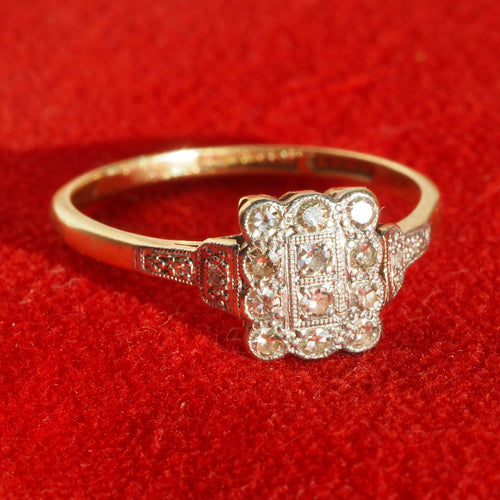
Antique rings hold a timeless allure that captures the imagination of jewelry enthusiasts and collectors alike. Whether one is drawn to the intricate craftsmanship of the Victorian era, the bold designs of the Art Deco period, or the delicate beauty of Edwardian pieces, selecting the perfect antique ring requires both knowledge and strategy. Diving into the world of antique rings can be both exciting and overwhelming, given the vast array of styles, eras, and gemstones available. This guide aims to illuminate the path to finding your dream antique ring, highlighting key considerations and expert tips for a rewarding and informed purchase.
Understanding Antique Ring Periods
Antique rings are often categorized by the era in which they were crafted. Each period has its distinct characteristics and aesthetic values:
- Victorian Era (1837-1901): Known for its romantic and elaborate designs, Victorian rings often feature intricate filigree work and ornate settings.
- Edwardian Era (1901-1910): These rings are characterized by their light, airy designs, often incorporating platinum and delicate lace-like patterns.
- Art Nouveau (1890-1910): Emphasizing natural forms and structures, this period’s rings often include motifs of flowers and flowing lines.
- Art Deco (1920-1935): Known for geometric shapes and bold colors, Art Deco rings are a celebration of modernity and luxury.
Key Considerations for Selection
Assessing Authenticity and Quality
When selecting an antique ring, ensuring its authenticity is paramount. Here are some strategies:
- Verify the provenance of the ring by requesting documentation or certificates of authenticity.
- Inspect for hallmarks or maker’s marks that can provide clues to the ring’s origin and era.
- Seek advice from certified appraisers or gemologists to confirm the quality and authenticity of the materials used.
- Discover expert strategies here.
Determining Personal Preferences
While historical significance and craftsmanship are important, personal taste should guide the selection process:
- Consider the styles and eras that resonate with your personal aesthetic.
- Evaluate the practicality of the ring, ensuring it suits your lifestyle and comfort preferences.
- Decide on a budget that aligns with your valuation of the ring’s historical and emotional worth.
Exploring Gemstone Options
The choice of gemstone can dramatically influence the appeal and value of an antique ring:
Popular Gemstones in Antique Rings
- Diamonds: Timeless and versatile, diamonds are often the centerpiece of many antique designs.
- Sapphires: Favored for their rich color and durability, sapphires are a popular choice in both Edwardian and Art Deco rings.
- Emeralds: Known for their vivid green hue, emeralds require careful consideration due to their relative softness.
- Rubies: Valued for their deep red color, rubies are often associated with passion and power.
For more detailed insights on gemstone selection, explore advanced guides and tips.
Making the Right Purchase
To ensure a satisfying acquisition, consider these final steps:
- Purchase from reputable dealers who specialize in antique jewelry.
- Ensure the ring has been properly appraised and comes with a return policy.
- Consider any restoration work that may have been done and how it affects the ring’s value and integrity.
For further guidance on making informed purchases, find out more about this approach.
Conclusion
Selecting an antique ring is as much about personal expression as it is about historical appreciation. By understanding the nuances of different periods, recognizing the significance of various gemstones, and making informed decisions, any potential buyer can find a piece that not only reflects their individuality but also carries a piece of history. For those embarking on this journey, learn about our tailored solutions to ensure a thoughtful and rewarding experience.