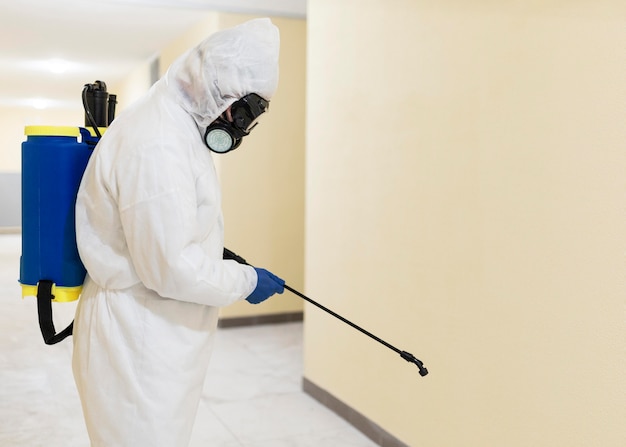
Mold infestations can be a significant concern for property owners, especially in humid climates like Lexington, Kentucky. The presence of mold can compromise the structural integrity of a building, pose health risks to occupants, and even lead to costly repairs. In this comprehensive guide, we will delve into the world of mold removal and remediation, providing you with expert strategies and tailored solutions to tackle this issue effectively.
Understanding Mold Growth and Identification
Mold growth is often a result of excessive moisture, poor ventilation, and inadequate maintenance. It can thrive in various areas, including bathrooms, kitchens, and even behind walls. To address mold effectively, it is essential to identify the source of moisture and take corrective measures. Discover expert strategies here for assessing and mitigating mold growth.
- Look for visible signs of mold, such as black spots, greenish patches, or white powdery growth.
- Check for musty odors, which can indicate the presence of mold.
- Inspect areas prone to moisture, such as around windows, doors, and pipes.
Mold Remediation vs. Removal: What’s the Difference?
While often used interchangeably, mold remediation and removal have distinct meanings. Mold removal refers to the physical removal of mold growth, whereas remediation involves addressing the underlying causes of mold growth and ensuring the affected area is safe for occupancy. Learn about our tailored solutions for addressing mold growth and ensuring a healthy environment.
Effective mold remediation involves the following steps:
- Containment: Isolating the affected area to prevent mold spores from spreading.
- Assessment: Identifying the source of moisture and assessing the extent of mold growth.
- Removal: Physically removing mold growth using specialized equipment and techniques.
- Disinfection: Ensuring the affected area is thoroughly cleaned and disinfected.
- Monitoring: Regularly monitoring the affected area to prevent future mold growth.
For more information on addressing mold growth and ensuring a healthy environment, consult the advanced guides and tips available at Discover expert strategies here.
Preventing Mold Growth: Best Practices for Property Owners
Preventing mold growth requires a proactive approach to maintenance and upkeep. By following these best practices, you can reduce the risk of mold growth and ensure a healthy environment:
- Ensure proper ventilation in areas prone to moisture, such as bathrooms and kitchens.
- Fix leaks promptly and address any water damage to prevent mold growth.
- Regularly inspect and maintain your HVAC system to prevent moisture buildup.
- Use mold-resistant paints and materials in areas prone to moisture.
Find out more about this approach and learn how to create a mold-free environment by consulting the resources available at Explore advanced guides and tips.
Conclusion
Mold removal and remediation require a comprehensive approach that addresses the underlying causes of mold growth. By understanding mold growth and identification, distinguishing between remediation and removal, and implementing best practices for prevention, you can ensure a healthy and safe environment for occupants. Remember, effective mold remediation is not just about removing mold growth, but also about addressing the root causes and ensuring the affected area is safe for occupancy. Consult the resources available at Find out more about this approach and take the first step towards creating a mold-free environment.