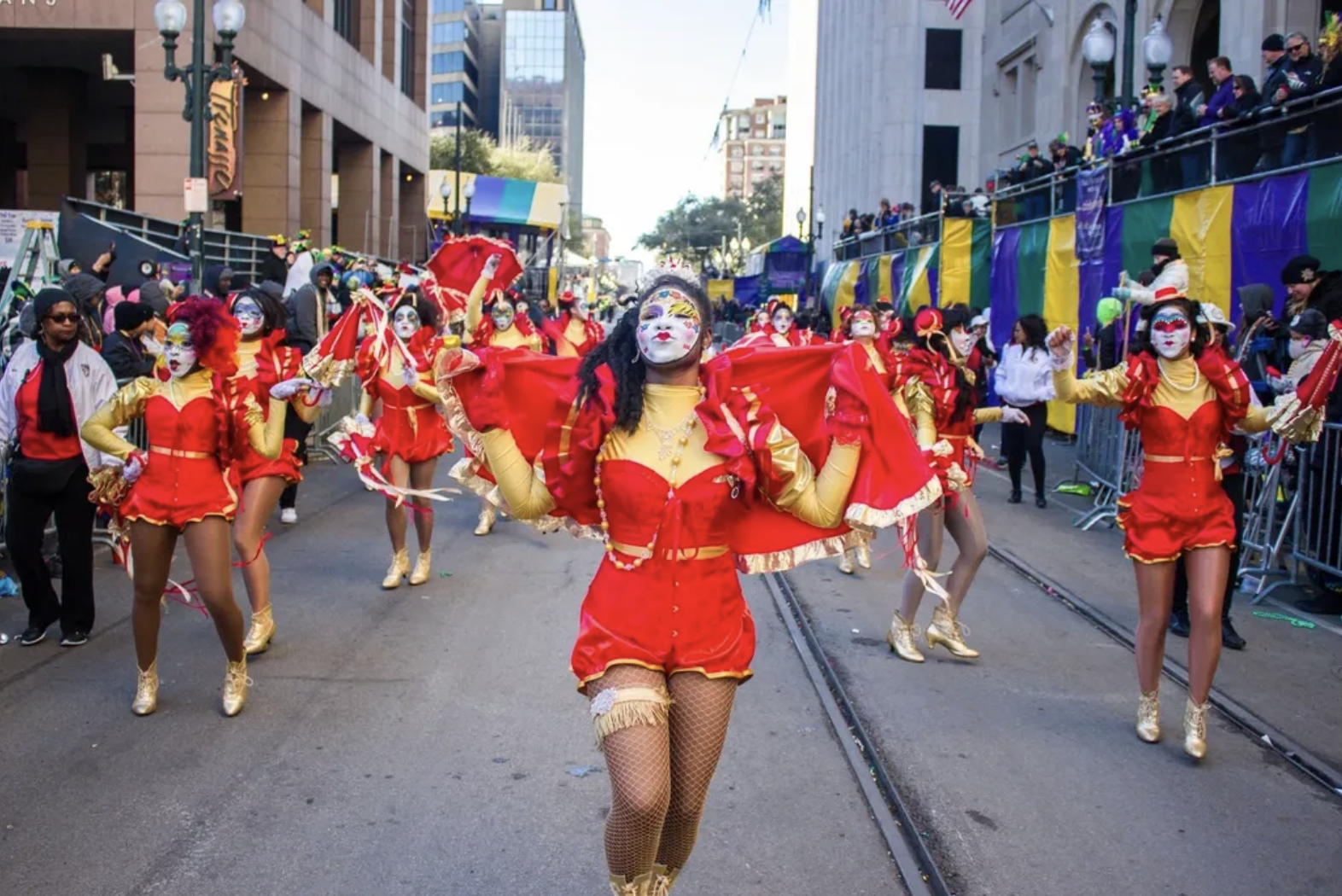
The vibrant city of New Orleans, renowned for its rich cultural tapestry and dynamic history, is home to many unique traditions. One of the most intriguing and less widely known customs is that of the Baby Doll Ladies. Originating in the early 20th century, this tradition involves women donning elaborate baby doll costumes during Mardi Gras. It is a fascinating blend of African American cultural expression and celebration, providing a profound insight into the city’s diverse heritage.
Historical Roots of the Baby Doll Tradition
The tradition of Baby Doll Ladies began in the early 1900s when African American women in New Orleans chose to celebrate Mardi Gras in a way that defied societal norms and expectations. This movement was a form of resistance and empowerment, allowing these women to assert their identity and culture in a period when racial and gender prejudices were rampant. For more detailed historical insights, find out more about this approach.
Key Elements of the Tradition
- Costumes: The costumes are characterized by frilly dresses, bonnets, and stockings, often accompanied by porcelain dolls. These outfits are carefully crafted to reflect both traditional and modern elements.
- Dance: Dance plays a crucial role in the Baby Doll tradition, with performances that are both exuberant and symbolic of freedom and self-expression.
- Music: The Baby Doll Ladies often parade to the rhythms of jazz and brass bands, underscoring the musical heritage of New Orleans.
The Cultural Significance
The Baby Doll tradition is more than a mere spectacle; it serves as a vital cultural expression for the African American community in New Orleans. It is a platform for celebrating identity, challenging stereotypes, and preserving the rich history of the region. This tradition also plays a significant role in promoting social cohesion and community spirit. Discover expert strategies here for engaging with these cultural practices.
Impact on Modern Celebrations
Today, the Baby Doll Ladies continue to be a celebrated part of Mardi Gras, inspiring new generations to embrace their cultural heritage. The tradition has evolved, integrating contemporary themes while staying true to its roots. To explore advanced guides and tips on how this tradition influences modern festivities, explore advanced guides and tips.
Preservation and Education Efforts
Efforts to preserve the Baby Doll tradition are crucial to maintaining its legacy. Organizations and community groups in New Orleans are committed to educating the public and inspiring future generations about this unique cultural practice. Through workshops, performances, and public engagements, these efforts aim to ensure that the tradition remains vibrant and relevant. Learn about our tailored solutions for preserving cultural heritage.
Engaging with the Tradition
- Workshops: Interactive workshops are organized to teach the art of costume-making and dance associated with the tradition.
- Community Events: Regular events and parades provide an opportunity for the public to experience the Baby Doll culture firsthand.
- Educational Programs: Schools and cultural institutions incorporate the history and significance of the Baby Doll Ladies into their curricula.
In conclusion, the tradition of New Orleans Baby Doll Ladies is a vibrant and enduring aspect of the city’s cultural landscape. It represents a powerful narrative of resilience, creativity, and community, and continues to captivate locals and visitors alike. As efforts to preserve and celebrate this tradition grow, its impact on the cultural identity of New Orleans remains profound. To delve deeper into this fascinating tradition, find out more about this approach.