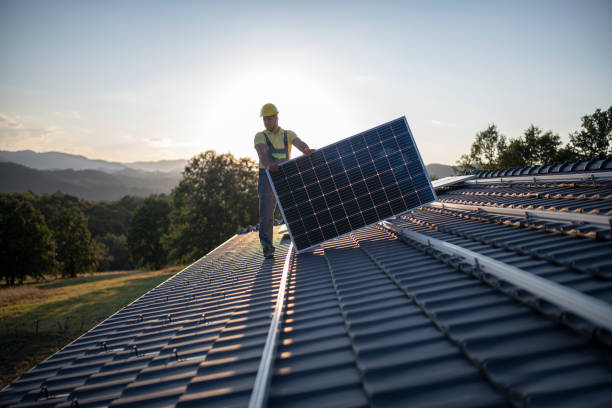
The shift towards renewable energy is more than just a trend; it’s a necessary evolution in how energy is consumed and produced. Residential solar panel installation has become a cornerstone of sustainable living, offering numerous advantages that extend beyond just reducing electricity bills. As more homeowners recognize the environmental and financial benefits of integrating solar technologies into their homes, the adoption of solar panels continues to rise. This article explores the key benefits of installing solar panels in residential settings, providing insights into why this investment is both an economically and environmentally sound decision.
Environmental Benefits
Installing solar panels on residential properties significantly contributes to environmental sustainability. By harnessing the power of the sun, solar panels reduce the reliance on fossil fuels, which are major contributors to air pollution and greenhouse gas emissions. Key environmental benefits include:
- Reduction in carbon footprint by generating clean energy.
- Decrease in air and water pollution.
- Conservation of natural resources by reducing dependency on non-renewable energy sources.
- Promotion of biodiversity by minimizing habitat destruction associated with conventional energy production.
Financial Benefits
While the initial cost of residential solar panel installation can be significant, the long-term financial benefits make this investment worthwhile. Homeowners can expect:
- Reduced electricity bills as solar panels generate energy that can power the home.
- Potential revenue generation through government incentives and tax credits.
- Increased property value, as homes equipped with solar panels are often more attractive to buyers.
- Protection against rising energy costs by stabilizing energy expenses over time.
Energy Independence
Solar panels empower homeowners by providing a degree of energy independence. This autonomy is increasingly valuable in an era of fluctuating energy prices and uncertainties associated with traditional energy sources. Benefits include:
- Reduction in reliance on the grid, which can be particularly advantageous in areas prone to power outages.
- Enhanced energy security and reliability for homeowners.
- Flexibility to expand solar capacity as energy needs grow.
Technological Advancements
Efficiency and Durability
Technological advancements in solar panel design and manufacturing have improved both the efficiency and durability of these systems. Modern panels are capable of converting more sunlight into electricity, even in low-light conditions. Key advancements include:
- Increased efficiency rates, resulting in more power generation.
- Improved durability with longer life spans and warranties.
- Innovative designs that integrate seamlessly with residential architecture.
Smart Technology Integration
The integration of smart technology with solar panel systems enhances their functionality and user experience. Features such as smart inverters and energy management systems enable homeowners to monitor and optimize their energy usage, further maximizing savings and efficiency.
Conclusion
The installation of solar panels in residential settings offers a multifaceted range of benefits, from environmental conservation to financial savings and energy independence. As more people embrace this sustainable energy solution, the collective impact on reducing carbon emissions and promoting a cleaner, greener environment becomes increasingly significant. The future of energy is undeniably solar, making residential solar panel installation a prudent choice for those looking to invest in a sustainable future.